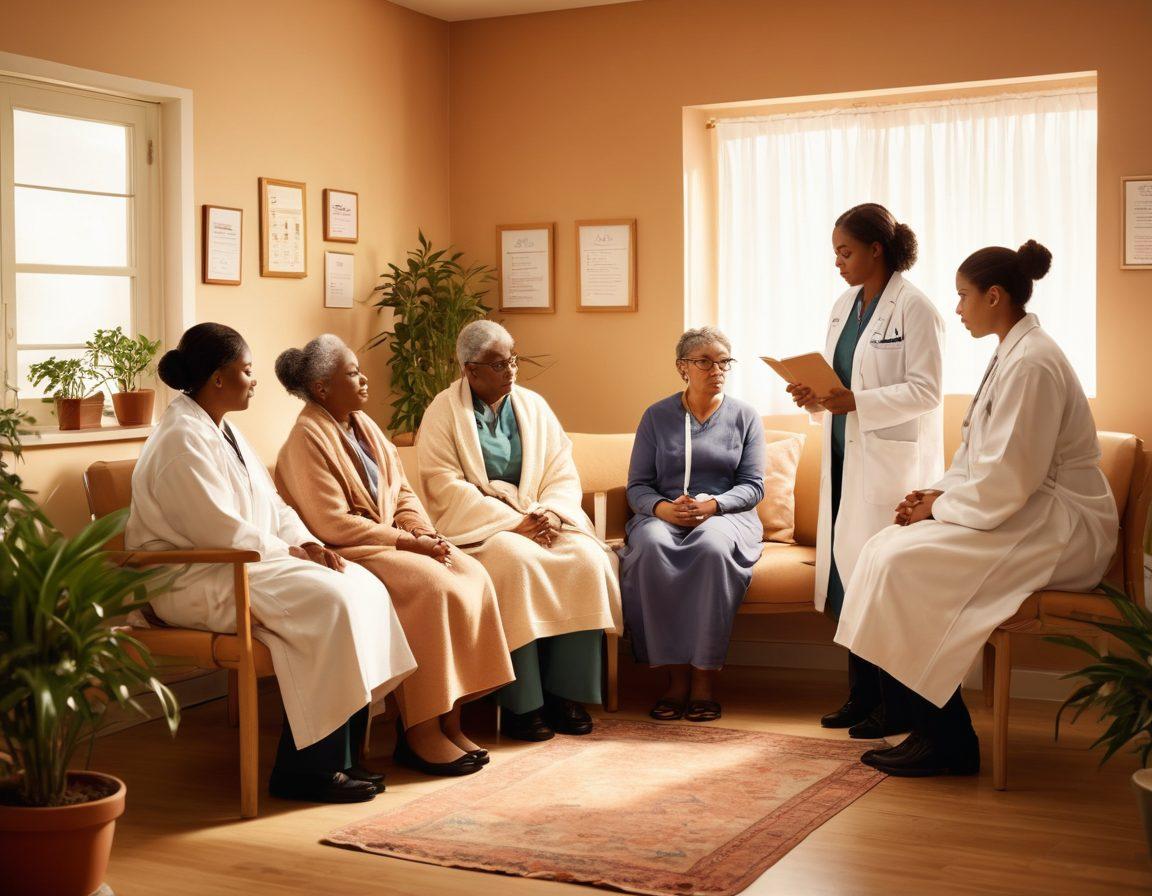
Navigating Cancer Care: Essential Resources and Support for Patients and Survivors
In the face of a cancer diagnosis, the world can feel as if it has been upended. Questions swirl around—"What does this mean for my future?" "What are my treatment options?" "How can I maintain my wellness during this journey?" These are common inquiries, not just for patients battling carcinoma or malignancy, but also for their loved ones. Navigating the complex landscape of oncology requires a roadmap filled with comprehensive cancer resources tailored to empower patients. With the right support and information, individuals can transform their journey into one of resilience and hope.
Cancer care isn’t solely about treatments; it encompasses a spectrum of resources, from medical information about advanced cancer treatment to emotional support for patients and their families. Engage with healthcare specialists who are dedicated to your survivorship. For those exploring alternative treatments or clinical trials, remember that seeking clinical research can illuminate paths not previously considered. The availability of patient advocacy resources can also facilitate an understanding of what to expect from the healthcare process, enhancing your overall disease management experience.
Imagine attending a cancer awareness event that not only informs but inspires. These gatherings can open doors to networking while providing insights into preventive health strategies and the latest medical research developments. Participate in discussions that highlight the importance of holistic health and overall wellness during cancer treatment. Questions may arise: "What are the best practices for maintaining my health during therapy?" or "How can I cultivate a supportive environment?" These interactions could yield actionable advice, transforming fear into empowerment.
Moreover, the emotional support available to patients is invaluable. It’s essential to lean on support groups, whether virtual or in-person, that share stories of survivorship. Engaging with peers on similar journeys fosters camaraderie and provides insight into the challenges that one might face during their treatment. Relating to others—sharing experiences, triumphs, and even fears—can be profoundly validating and can help navigate the emotional landscape of being in care. Ask yourself: "Who can I reach out to for support during this process?"
As you embark on or continue through your cancer journey, remember that you are not alone. Explore patient support networks and resource hubs where you can find tailored guides, access to screening programs, and updated information on emerging treatments. Familiarize yourself with local and online tools that can assist in managing your health alongside professional advice. By utilizing comprehensive cancer resources, you are not just a patient; you are an advocate for your health, equipped with knowledge, community, and purpose. After all, knowledge is power, and each step taken towards informed decision-making can lead to a national wave of change in how we approach cancer care.
From Diagnosis to Survivorship: Navigating the Cancer Care Journey
The journey from diagnosis to survivorship can feel like navigating a vast ocean filled with uncertainties and rough waves. When faced with a cancer diagnosis, especially something as daunting as carcinoma or malignancy, it’s natural to feel overwhelmed. However, knowing that numerous resources and support systems exist can help steady the ship. Navigating the cancer care journey means understanding not just the medical side of things, but also the importance of emotional support and patient advocacy in ensuring a holistic approach to wellness.
Imagine being told you have cancer — the word itself can ignite fear and confusion. At that very moment, a wave of questions crashes upon you: What’s next? What does this mean for my life? These questions don’t have to be faced alone. The healthcare system, encompassing oncology experts, patient support groups, and a plethora of cancer resources, can guide you through this challenging time. Engaging with these resources empowers patients not just with medical information but also with confidence as they embark on their cancer treatment journey through clinical trials or alternative treatments.
As you step forward into the path of disease management, consider your own wellbeing. Is it possible to feel in control amidst uncertainty? Absolutely! Integrating preventive health measures and staying informed about the latest clinical research can provide a semblance of normalcy. Imagine chatting with survivors and hearing their stories — their struggles, resilience, and triumphs. Remember the wise words of a survivor: 'Courage doesn’t always roar. Sometimes courage is the quiet voice at the end of the day saying, I will try again tomorrow.'
Recovery is not a straight line; it’s a winding road filled with ups and downs. Emotional support plays a vital role in this journey. Surrounding yourself with loved ones, joining support groups, or even engaging with health blogs dedicated to cancer awareness can create a nurturing environment. As you connect with others who share similar experiences, you're not only gaining support but also building a community that understands the nuances of survivorship. Have you found a community that resonates with your journey?
As the dust settles and you embrace your new normal, remember that the advocacy for wellness doesn't stop with treatment. The quest for knowledge and resources continues as you move towards a full life post-cancer. Regular screenings, staying educated on future risks, and exploring holistic health options are crucial. As you navigate this ongoing journey, ask yourself: what does survivorship mean to me? Delve deeper into the world of cancer care and let this be the motivation to stay involved, informed, and empowered.
Emotional and Practical Support: Essential Tools for Cancer Patients and Survivors
Navigating the intricate waters of cancer care is daunting, to say the least. Whether you or a loved one is dealing with a carcinoma, the experience can be overwhelming. How do you find the right emotional and practical support amid the chaos? It’s crucial for patients and survivors to know that they are not alone in this journey. In this blog, we will explore essential tools and resources designed to empower individuals facing malignancy, ensuring they have the support they need to navigate this challenging time.
Imagine waking up in the midst of your treatment and feeling unsure about what steps to take next. This is a common scenario for many individuals battling cancer. The world of oncology is filled with complex medical information and clinical research that can often feel inaccessible. However, a solid support system can make all the difference. Organizations like the American Cancer Society provide invaluable resources—like cancer treatment guides, emotional support networks, and wellness programs—that can illuminate the path forward, turning confusion into clarity.
But what about emotional support? It’s not just about the physical aspects of disease management; mental health is equally essential. As a cancer survivor once said, ‘The journey of cancer is not just about fighting the disease; it’s about rebuilding your life.’ Connecting with support groups, either online or in-person, allows patients to share experiences, gain perspectives, and uplift one another. It promotes a sense of community, reminding individuals they’re not isolated in their struggles. Plus, integrating holistic health practices like yoga or meditation can foster emotional healing and enhance overall wellness during treatment.
Interestingly, research shows that patient advocacy plays a significant role in the journey of cancer care. If you’ve been diagnosed, getting involved and informed can shift the dynamics of your treatment experience. You have the power to ask questions, seek alternative treatments, and explore clinical trials that may be available to you. Engaging with healthcare professionals about your condition, while thinking outside the box, can lead to discovering novel solutions tailored for your unique situation—a key aspect of survivorship.
As we progress towards a future where cancer awareness and proactive healthcare are prioritized, it’s essential to encourage preventive health measures such as regular screenings. These tools not only aid in early detection but also empower patients to take charge of their health journeys. Remember, finding comprehensive cancer resources and support is a vital step in your story, transforming the narrative from that of fear to one of hope. So, how will you embrace your journey toward wellness?